
Hear from Our Customers
You can’t fix what you can’t see. That’s the problem with mold in older Bucks County homes – it hides in crawl spaces, behind walls, and in attics where humid Pennsylvania summers create perfect growing conditions.
Professional mold testing gives you answers. Not guesses, not maybes – actual data about what type of mold you have, where it’s growing, and how serious the problem is. That matters when you’re trying to protect your family’s health or get documentation for an insurance claim.
Early detection is everything. Spotting mold before it spreads across entire sections of your basement or attic means smaller repairs, lower costs, and less disruption to your life. You’re not waiting until someone in your house develops respiratory symptoms or until a home inspection tanks your property value.
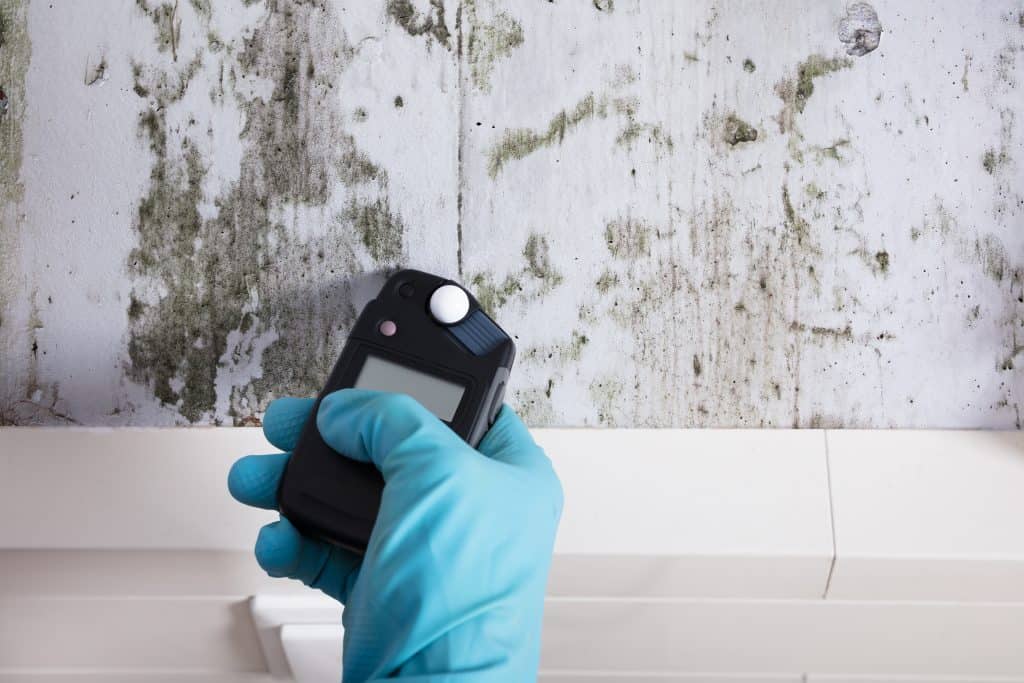
The testing process uses advanced equipment to detect mold you’d never find on your own. Moisture meters, air quality samples, surface testing – tools that locate hidden problems before they become visible disasters.
We’ve spent years working in Quincy Hollow and throughout Bucks County. We’ve seen what happens to 100-year-old homes with coal storage basements when Pennsylvania humidity hits. We know which construction types are most vulnerable and where mold typically hides in your area.
Our team uses EPA-approved methods and follows all Pennsylvania regulations for mold assessment. We’re IICRC-certified, which means we’ve been trained specifically to identify black mold, understand how it spreads, and know what testing methods actually work.
You’re not getting a generic inspection from a national chain that doesn’t understand local housing stock. You’re getting professionals who’ve worked in homes just like yours, who know the difference between surface mold and a serious moisture problem, and who can explain what you’re looking at in plain language.
We start with a free inspection of your property. You show us where you’ve noticed issues – musty smells, visible spots, water damage, health symptoms – and we look at those areas plus the common problem zones in Bucks County homes.
Our team uses moisture meters to find dampness behind walls and in floors. High moisture readings tell us where mold is likely growing even if you can’t see it yet. We check your basement, crawl spaces, attics, bathrooms, and anywhere water intrusion might have occurred.
If we find concerning areas, we take samples. Air quality testing captures mold spores floating in your indoor environment. Surface samples identify specific mold types growing on walls, floors, or other materials. These samples go to a lab for analysis.
You get a detailed report explaining what we found, what type of mold is present, and how extensive the problem is. We walk you through the results and explain what needs to happen next – whether that’s targeted remediation, moisture control, or ongoing monitoring.
The whole process is transparent. No scare tactics, no upselling services you don’t need. Just honest assessment of what’s happening in your home and what your options are.
Ready to get started?
Your mold testing includes a complete visual inspection of your property. We’re looking at the obvious spots and the hidden ones – the places where mold grows in Quincy Hollow homes because of our climate and housing characteristics.
You get moisture mapping using professional-grade meters. This shows us exactly where water is accumulating in your walls, floors, and ceilings. In Bucks County, where so many homes have basements that were never designed for modern waterproofing, this step catches problems before they escalate.
Air quality sampling measures mold spore concentrations in your indoor environment. This matters for health concerns – if someone in your house has respiratory issues, allergies, or asthma symptoms that seem worse at home, air testing tells you if mold is the culprit.
Surface testing identifies specific mold species. Not all mold is equally dangerous, but you need to know if you’re dealing with black mold or a less toxic variety. The lab analysis gives you that information.
You receive documentation suitable for insurance claims. If you need to file a claim for water damage or mold remediation, proper testing records support your case. We work with insurance companies regularly and know what they require.
The testing also establishes a baseline. If we recommend remediation and moisture control, follow-up testing confirms the work was successful and your home is actually clear.
We offer free initial inspections. We’ll come to your property, assess the situation visually, and let you know if formal testing makes sense for your situation.
If you need lab testing – air samples, surface samples, or both – costs depend on how many samples we take and what areas need assessment. A typical residential mold testing service runs a few hundred dollars. That’s less than you’d spend on a single emergency room visit for mold-related respiratory issues, and way less than the cost of remediation if a small problem becomes a major infestation.
Some situations don’t require expensive lab work. If you have visible mold from a known water leak, testing won’t tell you much you don’t already know – you need remediation. But if you’re experiencing health symptoms with no obvious source, buying a home and want peace of mind, or need documentation for insurance, professional testing is worth the investment.
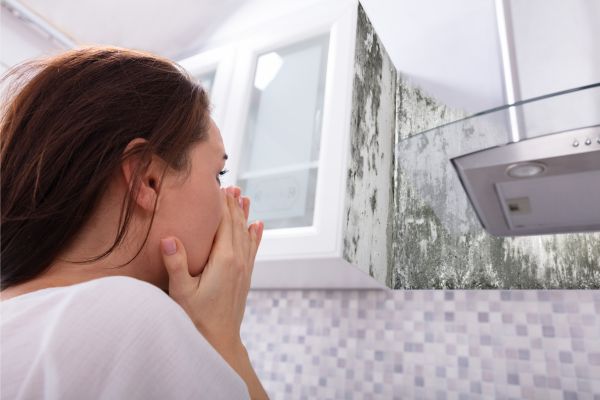
Get professional testing when you can smell mold but can’t find it. That musty odor means spores are growing somewhere – likely in your walls, under flooring, or in your HVAC system. You need detection equipment to locate hidden mold.
Testing makes sense after any water damage – roof leaks, basement flooding, plumbing failures. Even if you dried everything quickly, moisture can get trapped in wall cavities or under subflooring. Pennsylvania’s humid summers mean that trapped moisture doesn’t evaporate easily, creating perfect conditions for mold growth you won’t see for weeks.
If someone in your house has unexplained respiratory problems, persistent coughing, or allergy symptoms that improve when they leave the house, test your indoor air quality. You might be living with mold contamination that’s affecting your family’s health.
Before buying a home in Bucks County, especially an older property, mold testing protects your investment. Many homes here are 100+ years old with basements that were never waterproofed. A pre-purchase inspection can save you from inheriting someone else’s mold problem.
A mold inspection is visual. We walk through your property, look for visible mold growth, check for moisture problems, and identify conditions that promote mold – poor ventilation, water stains, humidity issues. This is what we do during your free initial assessment.
Mold testing goes further. We collect samples and send them to a lab. Air testing measures spore concentrations in your indoor environment. Surface testing identifies specific mold species growing on your walls, floors, or belongings. You get lab results that tell you exactly what type of mold you have and how severe the contamination is.
Most homeowners start with an inspection. If we find concerning signs during that visual assessment, we recommend testing to get detailed information. Testing is especially important for hidden mold – the kind growing inside walls or under flooring where you can’t see it but can definitely smell it.
The inspection tells you if you have a problem. The testing tells you how bad it is and what you’re dealing with. Both matter, but you don’t always need expensive lab work if the inspection reveals obvious issues that clearly need remediation.
The on-site inspection and sample collection usually takes one to two hours depending on your property size and how many areas need assessment. We’re thorough – checking basements, crawl spaces, attics, and any rooms where you’ve noticed problems.
Lab results typically come back within three to five business days. The lab is analyzing your samples to identify mold species and measure spore concentrations. This takes time to do accurately.
Once we receive the lab report, we contact you immediately to review the findings. We’ll explain what the results mean in plain language – no technical jargon that leaves you confused. You’ll understand what type of mold is present, where it’s growing, and what level of concern it represents.
If the situation is urgent – visible black mold, severe water damage, serious health symptoms – we can expedite certain tests. But in most cases, a few days for accurate lab analysis is time well spent. You want correct information, not rushed guesswork.
After reviewing results together, we discuss next steps. Sometimes that’s remediation. Sometimes it’s moisture control and monitoring. Sometimes it’s good news that your air quality is fine and you don’t have a mold problem.
Testing shows you what’s growing and where. The remediation decision depends on what we find, how much mold is present, and what’s causing it.
Small amounts of surface mold from a minor leak might only need cleaning and fixing the moisture source. If your bathroom has mold around the tub because of poor ventilation, you don’t need full remediation – you need a fan and some proper cleaning.
Extensive mold growth inside walls, black mold contamination, or high airborne spore counts require professional remediation. This is especially true in Bucks County’s older homes where mold can spread through wall cavities and floor joists quickly once it takes hold.
The testing gives us the information to make an honest recommendation. We’re not going to tell you that you need expensive remediation if moisture control and surface cleaning will solve the problem. But we’re also not going to downplay a serious issue that threatens your family’s health.
What matters most is addressing the moisture source. Mold is a symptom – water intrusion is usually the disease. Testing helps us understand both the mold problem and the underlying moisture issue so we can fix it properly and prevent recurrence.
You can’t reliably identify black mold by appearance alone. Several mold species look dark or black, but not all of them are Stachybotrys chartarum – the toxic black mold people worry about. Lab testing is the only way to know for certain what you’re dealing with.
That said, if you see any substantial mold growth in your Quincy Hollow home, the specific species matters less than getting it removed properly. All mold can cause health problems for sensitive individuals, and all mold indicates a moisture problem that needs fixing.
Professional testing makes sense when you need documentation for insurance claims, when you’re experiencing health symptoms and need to confirm mold is the cause, or when you suspect hidden black mold but can’t locate it. The lab analysis identifies the exact species and tells you if you’re dealing with the more dangerous varieties.
If you have visible mold growth larger than a few square feet, don’t waste time trying to identify it yourself. You need remediation regardless of species. We can test during the remediation process to ensure we’ve removed all contamination and your home is safe again.
The bigger risk in Bucks County homes isn’t misidentifying mold – it’s not finding it until it’s spread extensively. Professional testing with proper equipment locates problems early, before they require major remediation work.
Other Services we provide in Quincy Hollow